Schools serve as second homes for children, where they spend significant portions of their day studying, playing, and developing mentally, physically, and emotionally. Educational institutions face complex operational demands that require systematic attention to infrastructure and cleanliness. School officials must ensure that clean, safe environments are maintained that protect student well-being while supporting academic achievement.
Beyond quality education, schools must focus on maintaining clean cafeterias, libraries, and classrooms. However, bacteria and germs present constant challenges in school facilities. Managing extensive repair lists, replacing air conditioning filters, servicing boilers, and repairing floor tiles throughout educational facilities demands comprehensive strategies.
Modern school building maintenance encompasses routine tasks, planned schedules, emergency repairs, and oversight of vendor contracts and agreements. This ensures all buildings remain functional and safe for occupants. Proper school facilities maintenance directly impacts student outcomes, budget allocation, safety compliance, and long-term sustainability across districts nationwide.
Key Takeaways
- Educational facilities require systematic management to maintain optimal functionality and efficiency.
- Proper upkeep extends beyond repairs to creating a healthy learning environment.
- Modern facility management includes routine, planned, and emergency tasks
- Effective strategies protect infrastructure investments and enhance safety
- Quality facility management directly impacts student educational outcomes
- Proper oversight supports budget efficiency and regulatory compliance
- Sustainable practices ensure the long-term viability of educational spaces
This guide addresses three critical challenges schools face and provides professional solutions to overcome them.
Increased Use of Facilities for Events
Schools no longer limit their spaces to traditional classroom instruction. Times have changed, and educational buildings now serve as venues for a wide range of community and school events.
Community gatherings, assemblies, fundraisers, and after-school activities take place regularly in school facilities. While these activities promote learning and community development, they create significant challenges for school building maintenance teams. Events involving children typically generate substantial messes that extend beyond athletic fields to classrooms and common areas.
Surface cleaning immediately after events proves essential for maintaining facility standards. This immediate response reduces the time and resources needed for regular cleaning cycles. Sanitizing facilities after each event or gathering prevents bacteria buildup and protects student health when classes resume.
Professional janitorial services understand the unique demands of event cleanup in educational settings. They can respond quickly to post-event conditions, ensuring facilities return to optimal learning standards before the next school day begins. For comprehensive guidance on maintaining facilities after gatherings, consider reviewing essential tips for post-event cleaning that address common challenges schools face.
Inadequate Staffing for Comprehensive Care
Many schools across the United States maintain trim janitorial staffing levels relative to their facility size and student population. Staff inadequacy leads directly to unsatisfactory cleaning outcomes and compromised school facilities maintenance standards. Custodial teams struggle to clean and maintain large campuses with limited personnel effectively.
Schools often ask students and teachers to assist with surface cleaning tasks. While well-intentioned, this approach presents significant limitations. Most teachers and staff lack the expertise, training, and specialized equipment required for proper facility sanitation and school grounds maintenance.
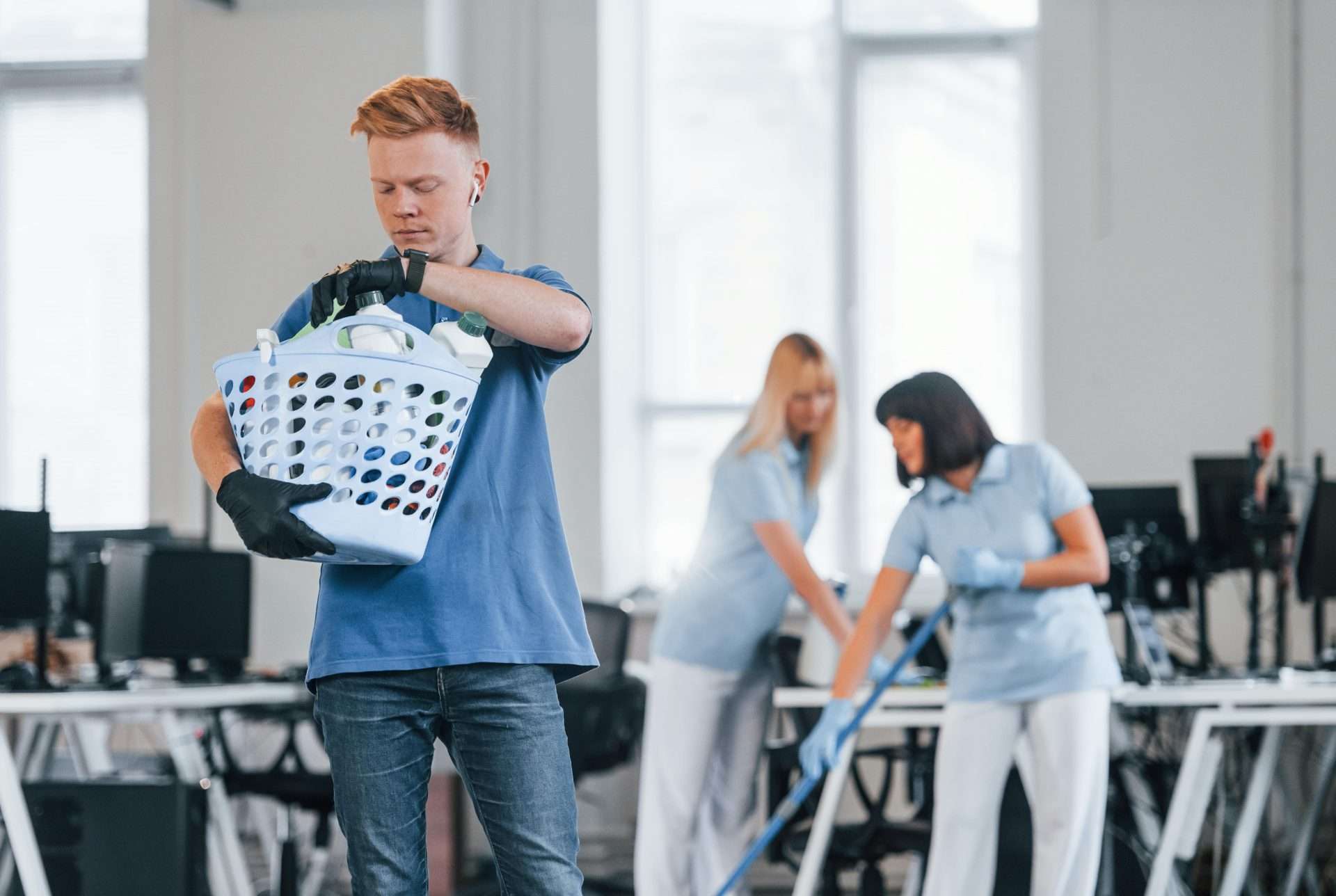
Professional cleaning services employ trained personnel and utilize specialized equipment to thoroughly clean and disinfect school facilities. These experts understand proper cleaning protocols, chemical applications, and safety procedures that protect both the facility and its occupants. Their systematic approach ensures comprehensive coverage of all areas, including high-touch surfaces that harbor bacteria.
Investing in professional maintenance services protects your school’s infrastructure investments while creating healthier learning environments. Trained technicians can identify potential facility issues during routine cleaning, allowing for proactive repairs before problems escalate.
Managing Large Volumes of People Daily
School facilities experience substantial daily foot traffic from diverse populations. The sheer number of people passing through buildings poses significant challenges for proper cleaning and school building maintenance protocols.
Educational institutions host people of different ages with varying hygiene standards and potential allergies. This diversity makes encouraging individual responsibility for cleanliness challenging. As students and teachers interact throughout the day, germs spread rapidly through contact with shared surfaces.
Specific areas require particular attention due to elevated bacteria levels. Desks, bathrooms, locker rooms, door handles, and water fountains harbor high concentrations of germs that need deep cleaning and regular disinfection. Guidance for staff on wiping down these surfaces between uses helps prevent the spread of illnesses and infections throughout the student body.
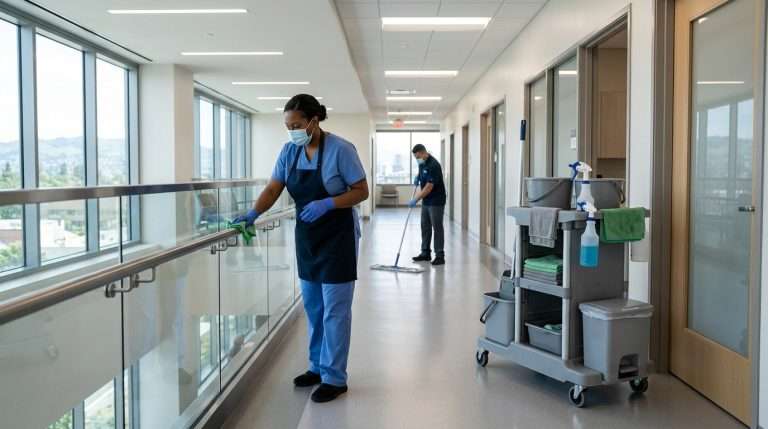
Professional maintenance teams implement systematic cleaning schedules that address high-traffic areas multiple times daily. They use hospital-grade disinfectants and follow CDC-recommended protocols for educational facilities. This professional approach significantly reduces disease transmission and protects the health of both students and staff.
Understanding the difference between proper sanitizing and disinfecting techniques becomes crucial when managing high-traffic educational environments. Schools that implement comprehensive protocols see measurable improvements in student attendance and overall facility conditions.
Understanding the Financial Impact of Maintenance
Managing physical infrastructure in school districts presents interconnected challenges that directly affect financial stability. Deferred maintenance creates cycles of problems that impact everything from budget allocation to the daily experiences of students and staff.
A poorly maintained boiler, for example, requires premature replacement. This creates substantial, avoidable costs that could have been used to fund educational resources instead. The financial burden of reactive repairs significantly exceeds the costs of planned preventive care.
Emergency fixes cost more and disrupt classroom activities. This reactive approach strains annual budgets and prevents wise long-term allocation of funds. Simultaneously, safety concerns become paramount when maintenance is delayed. Potential hazards create liability risks that require immediate attention to avoid accidents and ensure regulatory compliance.
Strategic school facilities maintenance protects district assets. Consistent care can extend the life of expensive equipment, such as HVAC systems. This proactive strategy avoids costly emergency replacements, freeing funds for educational programs that directly benefit students.
The Connection Between Facility Conditions and Learning
Research from agencies such as the EPA and CDC confirms a direct link between facility conditions and student performance. Factors such as temperature control, proper lighting, and air quality are critical for academic success.
Students in well-maintained buildings demonstrate better attendance and focus. Their academic performance and cognitive function improve measurably in comfortable, properly maintained environments. Quality school grounds maintenance and building care reduce absenteeism for both students and staff, fostering productive atmospheres where everyone thrives.
A healthy environment delivers significant benefits on two critical fronts. It safeguards financial resources while directly boosting academic achievement. Comfortable temperatures, optimal lighting, and clean air in well-maintained buildings create conditions where learning flourishes.
This care extends beyond simple building upkeep to creating healthy environments that bolster educational opportunities and support student development in learning spaces. Organizations like the EPA and CDC highlight these connections, emphasizing that environmental health in schools constitutes an educational imperative, not merely an operational concern.
Professional Solutions for Sustainable Facility Management
Effective facility stewardship represents an investment in educational quality rather than mere operational expense. Professional maintenance services employ systematic approaches that transform facility management from a reactive crisis response to a strategic oversight.
Comprehensive inspection schedules covering all facility components form the foundation of professional care. Daily walkthroughs, weekly system checks, and monthly equipment assessments identify potential issues during early development stages. Early detection enables planned interventions rather than relying on emergency services, which can disrupt learning and strain budgets.
Professional maintenance teams document facility conditions and prioritize tasks based on urgency and safety requirements. This systematic method ensures resources are allocated efficiently across all buildings. Preventive maintenance tasks, such as filter changes and routine inspections, help maintain optimal performance while significantly extending equipment lifespans.
Digital management systems provide comprehensive oversight of all assets, documenting equipment locations, maintenance histories, and replacement schedules. These technologies enable real-time record updates supporting data-driven decisions about repairs versus replacements.
Why Professional Maintenance Services Make Financial Sense
Schools require specialized knowledge to maintain complex building systems, manage regulatory compliance, and protect substantial infrastructure investments. Professional maintenance services deliver this expertise while providing measurable returns through extended equipment lifespans and improved facility conditions.
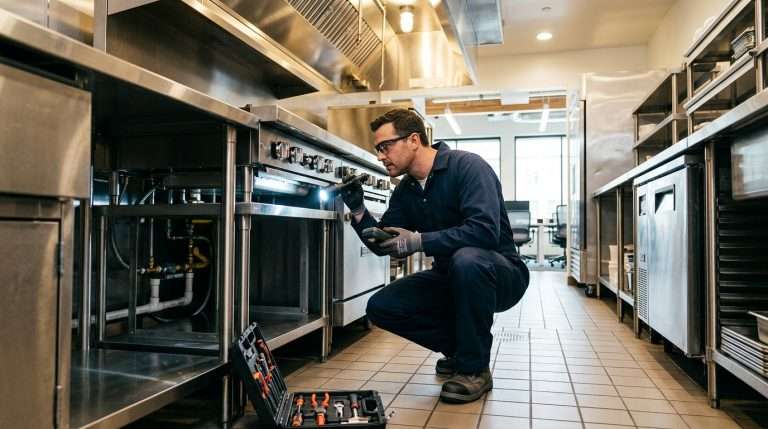
Trained technicians bring specialized certifications in HVAC, electrical, and plumbing systems. Their expertise ensures optimal system performance and prevents costly failures. Professional services also maintain consistent quality standards across all facility areas, creating environments conducive to learning.
Effective school building maintenance requires collaboration between facility professionals and educational administrators. This partnership ensures maintenance work supports educational objectives while protecting valuable district assets. Regular coordination reviews maintenance priorities and resource allocation, aligning facility needs with institutional goals.
Get Professional Support for Your School Facility
If your school struggles with maintaining cleanliness and facility standards, professional support can transform your approach from reactive to proactive. Expert teams comprise trained personnel, specialized equipment, and proven protocols, ensuring comprehensive coverage and regulatory compliance.
Protect your infrastructure investments while creating healthier learning environments. Learn more about our comprehensive school cleaning services tailored to educational institutions throughout the San Francisco Bay Area. We deliver reliable service that keeps your facilities clean, safe, and ready for learning.
Are you ready to discuss customized maintenance solutions for your school? Contact our team today to schedule a consultation and discover how our professional facility management can benefit your educational environment.
Frequently Asked Questions
How does proper facility management impact school budgets and safety?
Professional maintenance controls costs by preventing expensive emergency repairs through proactive care. Well-managed environments ensure compliance with safety regulations, protecting staff and students from potential hazards while avoiding liability risks.
What connection exists between building maintenance and student academic performance?
Clean, comfortable, well-maintained learning environments reduce distractions and support student focus. Properly functioning systems, such as HVAC, create optimal conditions that enhance engagement and outcomes. Research from the EPA and CDC confirms that students in quality facilities show better attendance and academic performance.
Why should schools invest in professional maintenance services?
Professional services bring trained personnel with specialized equipment and expertise. They understand proper cleaning protocols, safety procedures, and regulatory requirements. This systematic approach ensures comprehensive coverage while identifying potential facility issues before they become expensive problems.
What areas in schools require the most attention for cleanliness?
High-touch surfaces harbor elevated bacteria levels and require frequent attention. Desks, bathrooms, locker rooms, door handles, water fountains, and cafeteria areas require regular deep cleaning and disinfection to prevent the transmission of illness throughout student and staff populations.
What makes school facility maintenance different from other commercial cleaning?
Educational facilities host diverse age groups with varying health needs and high daily occupant turnover. Schools require specialized protocols addressing regulatory compliance, child safety standards, and coordination with academic schedules. Professional teams trained in educational facility care are well-equipped to understand these unique requirements.