You might assume that spotting a live bug is the first warning of trouble, but the evidence usually appears long before the critters do. If you wonder exactly what sign is most likely to indicate a pest infestation, the answer lies in the subtle, dark specks found in pantries or along baseboards. Pest droppings are consistently the most reliable early indicator, often appearing as tiny pellets or smears that signal an active problem in your facility. Catching these distinct clues early is crucial for protecting your property and reputation.
Managing a commercial space in the San Francisco Bay Area requires constant vigilance, but you do not have to tackle maintenance challenges alone. As your comprehensive facility management partner, Cappstone acts as your single point of contact for reliable solutions backed by over 30 years of experience. We bring Diamond Certified accountability and BBB accreditation to every job, ensuring your building remains pristine and compliant. With a dedicated team handling the details, you can rest easy knowing your facility is in expert hands.
Key Takeaways
Pest droppings are the most reliable early indicator of an infestation, often appearing as distinct pellets or smears long before live insects or rodents are spotted.
Physical property damage, such as gnaw marks on furniture or piles of sawdust-like frass, serves as a critical alarm for structural threats like rodents and termites.
Non-visual cues, including persistent ammonia odors or scratching sounds behind walls, frequently signal that pests are nesting within the facility.
Regular inspections of high-risk areas like pantries, baseboards, and storage rooms allow you to catch infestations before they escalate into costly problems.
Professional facility management partners provide the expertise needed to identify subtle warning signs and coordinate immediate pest control responses.
Identifying Pest Droppings as the Primary Warning Sign
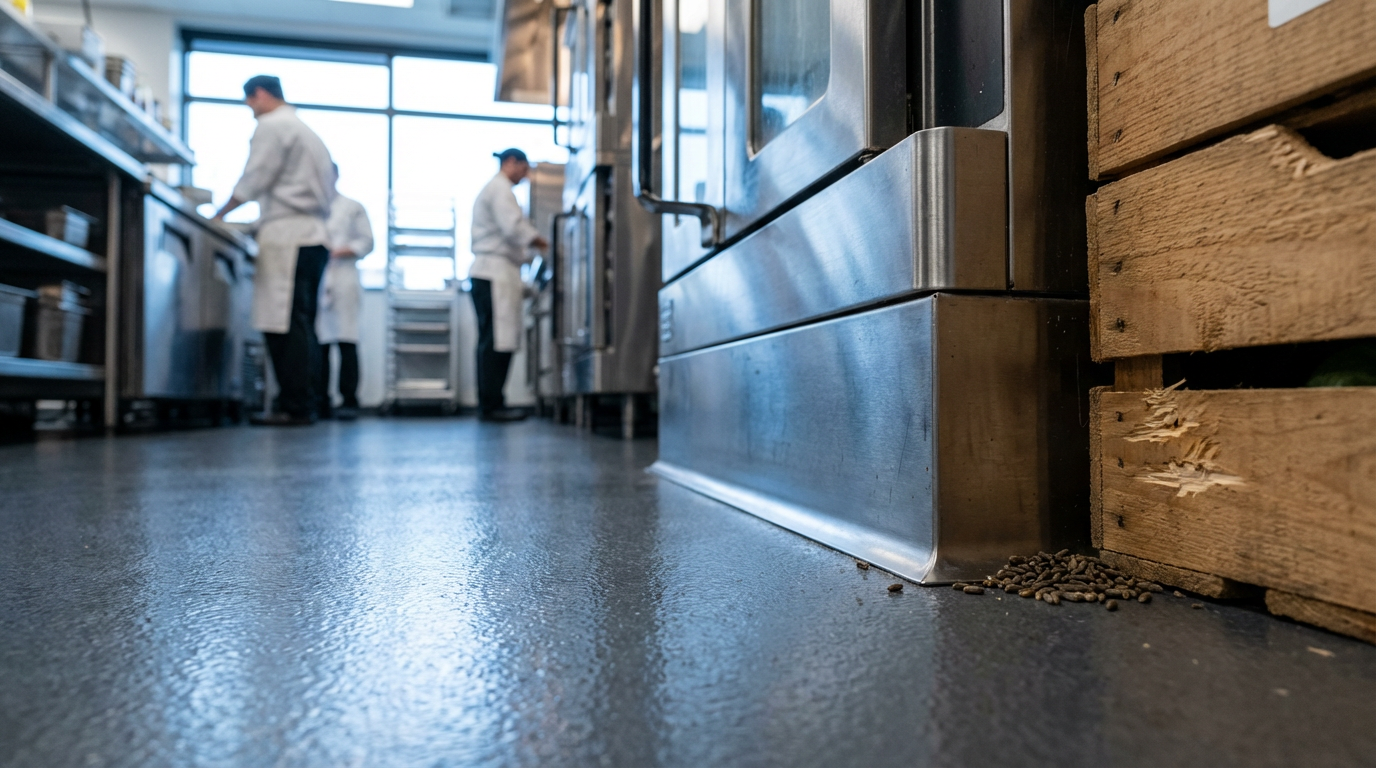
While you might expect to see a live bug or a mouse first, finding pest droppings is actually the most common and reliable indicator of an active infestation. These physical traces often appear long before you spot the creatures themselves, serving as a silent alarm that unwanted guests have moved into your facility. Because different pests leave behind distinct types of waste, examining these signs closely can help you identify exactly what you are up against. For example, rodent waste usually looks like dark, rice-shaped pellets found along baseboards or inside cabinets. Paying attention to these small details allows you to catch issues early before they escalate into significant property damage.
Recognizing Different Types of Pest Waste
Smaller pests create more subtle messes that are easy to overlook if you do not know what to look for during a routine inspection. Cockroach droppings frequently resemble scattered coffee grounds or black pepper specks and tend to accumulate in corners or near food sources. Conversely, bedbugs leave behind rusty or reddish-brown spots on mattresses and upholstery, which are actually crushed fecal matter. Identifying these specific patterns helps confirm the type of infestation so you can implement the correct treatment plan immediately.
Termite droppings appear as small piles of what looks like sawdust or wood shavings near wooden structures, windowsills, or door frames. This waste material, known as frass, indicates that wood-boring insects are actively feeding on your building’s framework. The color and texture of frass can vary depending on the type of wood being consumed, but the presence of these tiny pellets always signals serious structural concerns that require professional attention.
Managing these sanitation challenges requires a partner who understands the unique needs of San Francisco and Bay Area businesses. As your comprehensive facility management partner, Cappstone acts as your single point of contact to handle everything from pest control coordination to general maintenance. We can help you ensure your facility remains professional and compliant.
Spotting Gnaw Marks and Physical Property Damage
Physical damage to your building is frequently the most alarming indicator that pests have moved in and established territory. You might notice unexplained holes in your baseboards or distinct tooth marks on furniture legs that were not there yesterday. Rodents possess teeth that never stop growing, forcing them to constantly chew on materials like drywall, insulation, and even electrical wiring to keep them filed down. This habit poses a serious fire hazard and requires immediate attention to protect your San Francisco property from costly repairs.
Understanding Wood-Boring Insect Damage
Termites are particularly notorious for compromising the structural integrity of a building while remaining hidden from plain view. You should keep a sharp eye out for piles of sawdust-like frass near wooden structures or windowsills. Mud tubes running along foundation walls or wooden beams provide another telltale sign that subterranean termites are accessing food sources within your building. These pencil-thin tunnels protect the insects as they travel between soil and wood, and their presence confirms an active colony is operating nearby.
Carpenter ants create similar damage patterns but leave behind coarser wood shavings rather than the fine powder produced by termites. These ants excavate galleries inside wooden structures to build their nests, weakening support beams and framing over time. Unlike termites that consume wood for nutrition, carpenter ants simply hollow it out for shelter, but the structural damage can be equally severe if left unaddressed.
Ignoring these physical warning signs can lead to extensive property damage that disrupts your daily business operations. Regular building maintenance addresses these vulnerabilities before they compromise your facility’s safety or value. We act as your single point of contact to coordinate specialized pest control solutions alongside your general maintenance needs, ensuring accountability and swift resolution for any infestation issues.
Unpleasant Odors and Scratching Sounds Behind Walls
While visual checks are important, your nose often detects a problem before your eyes do. A persistent and pungent smell of ammonia is a strong indicator of a rodent infestation, as their urine creates a distinct and unpleasant scent. Cockroaches are also known to produce an oily or musty odor that becomes overwhelming as their numbers grow in hidden spaces. These olfactory warnings signal that pest populations have reached significant levels within wall voids, crawl spaces, or other concealed areas of your building.
Listening for Nocturnal Activity Patterns
Your ears can be just as valuable as your sense of smell when identifying unwanted guests after business hours. Faint scratching, gnawing, or scampering sounds coming from ceilings or behind walls typically suggest rodents are active and building nests. These noises often occur at night when pests feel safest, making them easy to miss during a busy workday. Paying attention to these auditory cues during early morning hours or after your facility closes can reveal infestations that remain invisible during normal operations.
Larger rodents like rats produce heavier, more deliberate movement sounds compared to the rapid scurrying of mice. You might also hear chewing or gnawing noises as they work on building materials or stored items. Squirrels in attic spaces create particularly loud scrambling sounds during dawn and dusk when they are most active. These distinct patterns help identify not only the presence of pests but also their approximate size and species.
Relying on a comprehensive facility management partner like Cappstone ensures that even these subtle sensory warning signs are investigated promptly by professionals. With over 30 years of experience serving San Francisco and the Bay Area, we know exactly what these specific scents and sounds mean for the health of your building. We leverage our Diamond Certified status to guarantee that every strange noise or unusual odor is thoroughly inspected and resolved.
High-Risk Areas Requiring Regular Inspection
Certain zones within your facility attract pests more readily than others due to food availability, moisture, or shelter opportunities. Commercial kitchens and break rooms represent particularly vulnerable areas where crumbs, spills, and improperly stored food create ideal conditions for infestations. Regular inspections of pantries, cabinets, and food storage areas allow you to spot early warning signs before populations explode. Pay special attention to corners, crevices, and areas behind appliances where pests hide during daylight hours.
Monitoring Storage and Utility Spaces
Warehouses, storage rooms, and utility closets provide undisturbed environments where pests can establish colonies without detection. Cardboard boxes and paper products offer both nesting material and harborage for various insects and rodents. Inspect these spaces systematically, looking for droppings, gnaw marks, or unusual debris that indicates pest activity. Water heaters, HVAC equipment, and plumbing chases create warm, sheltered conditions that attract pests seeking comfortable nesting sites.
Loading docks and receiving areas serve as primary entry points where pests hitchhike into your facility on deliveries and shipments. Gaps around doors, damaged weather stripping, and improperly sealed openings allow easy access for rodents and insects. Implementing thorough inspection protocols for incoming goods helps prevent introducing infestations from external sources. These proactive measures protect your inventory and prevent contamination issues that could damage your business reputation.
Protecting Your Facility With Professional Expertise
Spotting pest droppings is often the first and most reliable confirmation that unwanted guests have moved into your facility. Whether you notice dark specks resembling coffee grounds or pellet shapes like rice grains, these biological indicators act as immediate red flags for active infestations. Staying vigilant about these subtle clues in high-traffic areas allows you to address issues before they cause significant damage. Your ability to recognize these specific shapes and sizes empowers you to take decisive action the moment a problem arises.
Managing a commercial property in San Francisco or the Bay Area comes with enough challenges without adding pest control coordination to your daily responsibilities. Cappstone simplifies this process by serving as your single point of contact for comprehensive facility management and maintenance. Our team holds prestigious credentials, including Diamond Certified status and Better Business Bureau accreditation, which reflect our unwavering commitment to accountability. You can trust us to handle the logistics while you focus on running your core business operations.
Establishing a partnership with a dedicated facility manager ensures that expert help is just a phone call away whenever you spot potential warning signs. Our commercial pest control services maintain pristine standards for businesses across the region through proactive maintenance and quick responses. These strategies are the keys to protecting your property reputation and the health of your occupants. If you are ready to secure a pest-free future for your facility, contact our team today to discuss a tailored plan. Let our proven expertise provide the peace of mind you deserve as a property manager or business owner.
Frequently Asked Questions
What is the single most likely sign to indicate a pest infestation?
Pest droppings are consistently the most reliable early indicator of an active infestation in your facility. These dark specks or pellets often appear long before you spot live creatures, giving you an opportunity to address the problem proactively. Different pests leave distinct types of waste, which helps identify exactly what species has invaded your property and allows for targeted treatment strategies.
What do rodent droppings typically look like?
Rodent waste generally appears as dark, rice-shaped pellets found along baseboards, inside cabinets, or near food sources. Mouse droppings are smaller and more pointed at the ends, while rat droppings are larger and more blunt. The freshness of droppings can be determined by their appearance, with newer waste being dark and moist while older droppings become gray and crumbly over time.
Why is finding droppings more significant than seeing a live pest?
Physical evidence usually appears long before you encounter live pests, meaning it gives you a head start on solving the problem. By the time you see a live bug or rodent during daylight hours, the infestation has likely grown to significant levels. Monitoring for droppings and other warning signs allows for proactive intervention rather than reactive damage control after populations have exploded.
How does Cappstone assist with facility pest control challenges?
We act as your comprehensive facility management partner and single point of contact for all your building needs in the San Francisco Bay Area. With over 30 years of experience, we coordinate specialized pest control solutions alongside general maintenance and cleaning services to address issues holistically. Our Diamond Certified status and BBB accreditation ensure you receive accountable, professional service that protects your property and reputation.
Where should I look for early warning signs of pests?
Focus your attention on secluded areas like pantries, cabinets, storage rooms, and along baseboards where pests feel secure during daylight hours. Check behind appliances, in utility closets, and near plumbing fixtures where moisture attracts certain species. Loading docks, receiving areas, and spaces near exterior doors represent common entry points that require regular monitoring to catch infestations before they spread throughout your facility.